How to Pick Your Home Solar System
Use this guide to learn how solar energy works, determine your solar energy requirements, and decide which appliances you’d like to power.
100% Safe & Secure. Privacy Protected.
How Solar Works
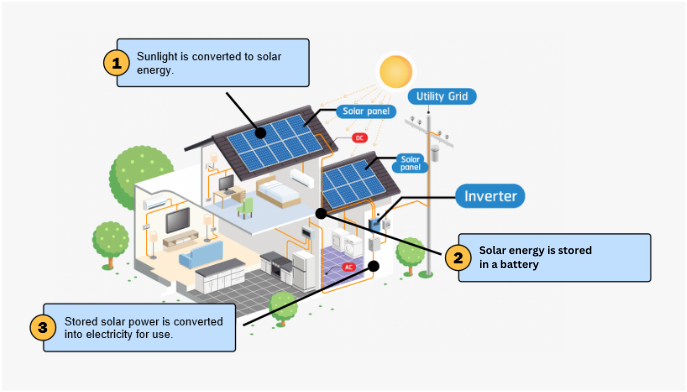
Solar systems include three core components:
1. Solar panels capture sunlight
2. Batteries store energy
3. An inverter converts stored solar power into electricity
Solar energy is generated by sunlight captured by solar panels. This energy is then stored in your solar system battery. When needed, your inverter converts the stored solar energy into electricity for use.
Understanding Electricity Consumption
Scoping out a solar system design involves understanding how much power your household consumes, and what appliances you’d like to be able to use in the event of a blackout. Appliances fall into low-consumption and high-consumption categories. Read on to understand which appliances fall into each category and how they affect a solar system.
Watt Hours and Electricity Consumption
A Watt Hour (Wh) is a unit used to establish how much power an appliance consumes over the period of an hour.
Brewing Coffee
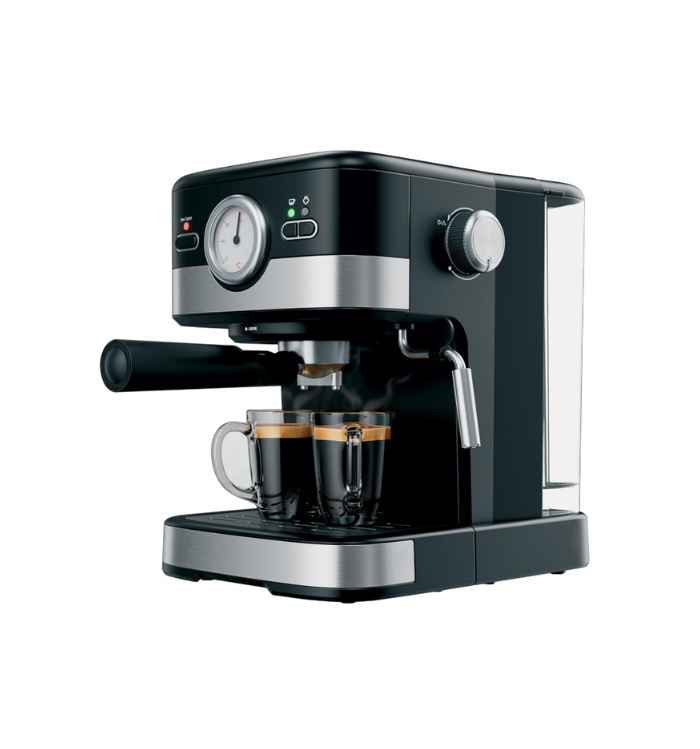
A coffee maker is used for a short period of time. Using a conservative duration of 6 minutes per cup of coffee brewed, a 1000 Watt coffee maker consumes 100Wh when used for 6 minutes.
Read on to learn about low and high-consumption appliances and how much electricity they use.
Managing Consumption
Your solar system will function according to the spec of its design. And it’s important to understand how much power you’re likely to consume in the event of a blackout.
Electricity consumption differs by household or property, however, it’s also possible to limit consumption during a blackout by managing appliance use.
Low-consumption Appliances
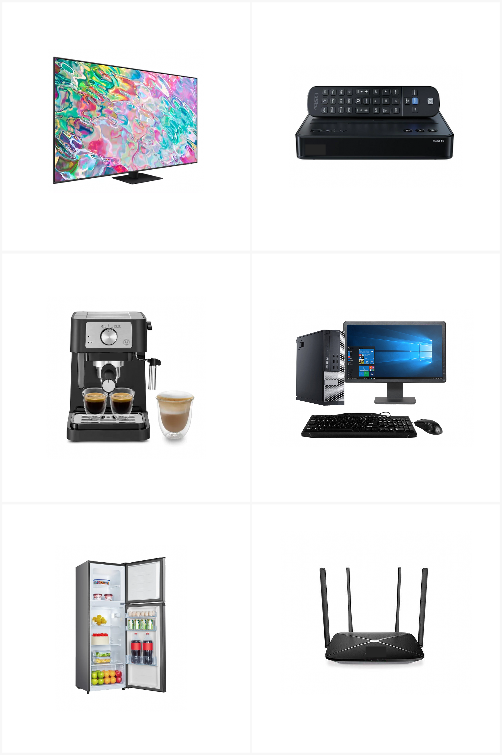
Low-consumption appliances consume lower amounts of electricity. They consume power in either short bursts, like a blender or kettle, or small amounts of power over a prolonged period, like lighting in a home.
As a general rule of thumb, you’re able to connect more low-consumption appliances and run more of them at once than you can with larger, high-consumption appliances.
Low-consumption Appliances and Watt Hour Usage
Listed below is a collection of low-consumption appliances with consumption values based on conservative usage during a 4-hour blackout.
NOTE: Not all appliances listed below are typically used for an hour at a time. Some are used for a few minutes (blender and kettle), others for several hours (PC and TV).
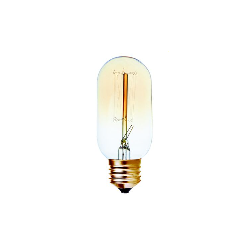
40W Lightbulb
(4hrs – 44Wh)
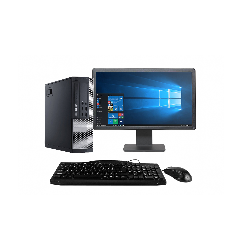
Standard Desktop PC
(4hrs – 800Wh)
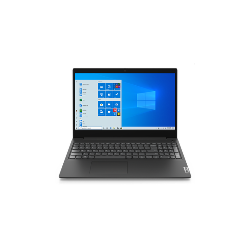
Laptop
(4hrs – 400Wh)
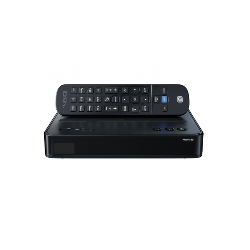
DSTV Decoder
(4hrs – 140Wh)
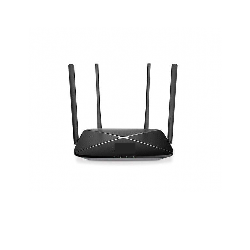
WiFi Modem
(4hrs – 28Wh)
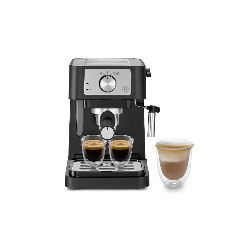
Coffee Maker
(24min – 400Wh)
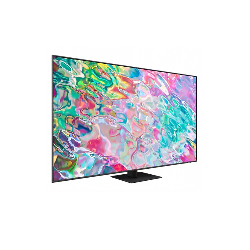
TV
(4hrs – 600Wh)
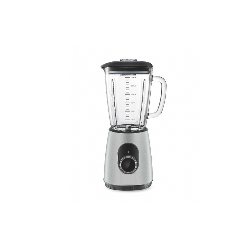
Blender
(24min – 400Wh)
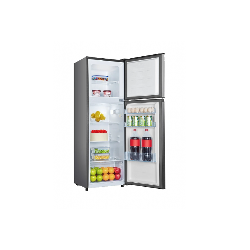
Fridge
(4hrs – 1412Wh)
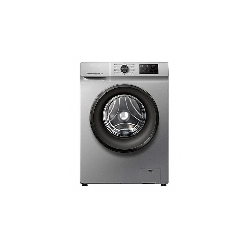
Washing Machine
(2hrs – 1600Wh)
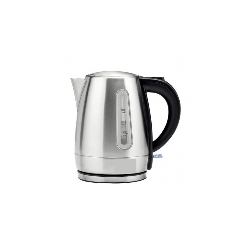
Kettle
(30min – 1200Wh)
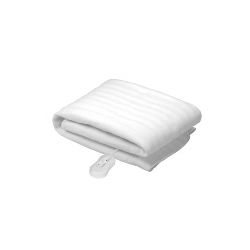
Electric Blanket S. Bed
(1hr – 100Wh)
High-consumption Appliances
High-consumption appliances consume higher amounts of electricity. They consume power in either short bursts, like a microwave used to heat a meal for 2 to 4 minutes, or over a prolonged period, as with completing your weekly laundry by using a tumble dryer followed by ironing.
High-consumption appliances also typically include heat or cooling, like a heater an electric furnace, or an aircon unit. The more you use high-consumption appliances the more power they draw from your solar system.
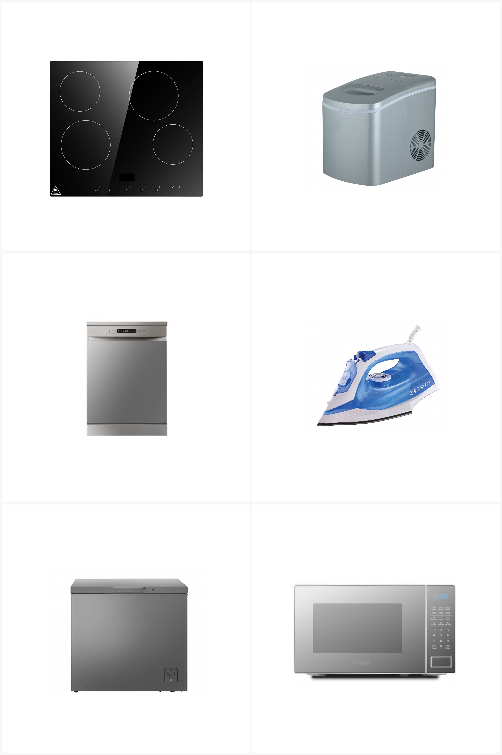
High-consumption Appliances and Watt Hour Usage
Listed below is a collection of high-consumption appliances with consumption values based on conservative usage during a 4-hour blackout.
NOTE: Not all appliances listed below are typically used for an hour at a time. Some are used for a few minutes (Microwave), others for several hours (chest freezer and air conditioning unit).
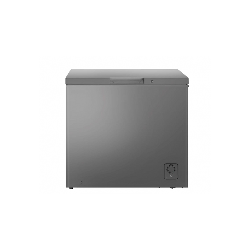
Chest Freezer
(4hrs – 1080Wh)
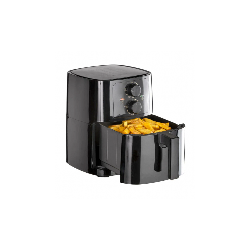
Air Fryer
(1hr – 1500Wh)
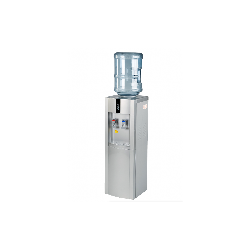
Water Cooler
(4hrs – 200Wh)
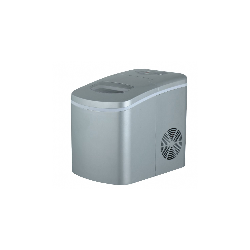
Ice Maker
(4hrs – 190Wh)
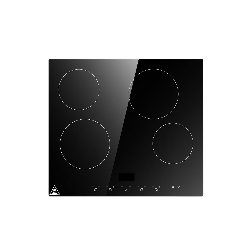
Stove Top
(2hrs – 3000Wh)
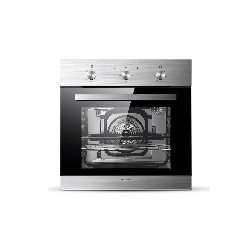
Oven
(2hrs – 2400Wh)
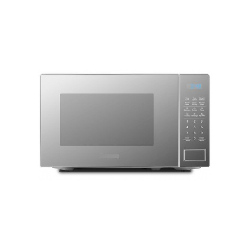
Microwave
(30min – 500Wh)
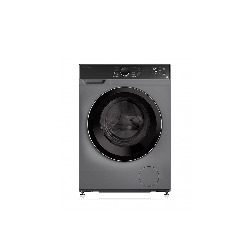
Tumble Dryer
(2hrs – 6000Wh)
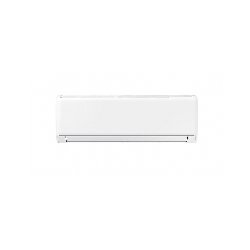
Air Conditioning Unit
(4hrs – 13000Wh)
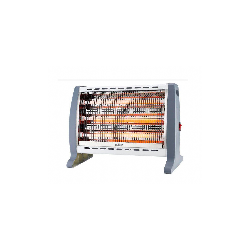
Heater
(4hrs – 6000Wh)
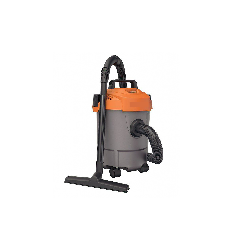
Vacuum Cleaner
(1hr – 1000Wh)
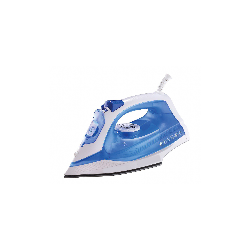
Iron
(2hrs – 2200Wh)
100% Safe & Secure. Privacy Protected.
Three Steps to Electricity Independence
Follow these three simple steps and take control of your electricity reliance with solar power.
STEP ONE
Identify Your Usage Requirements
Create a list of appliances you need to function during a blackout.
STEP TWO
Get Your Custom Quote
Complete the form below to get your custom quote in 24 hours.
STEP THREE
Set an Installation Date
Book a time for our expert team to install your new solar power system.
100% Safe & Secure. Privacy Protected.
Home Solar FAQs
All you need to know about going solar and becoming electricity independent.
How does solar work?
Solar systems include three core components:
1. Solar panels capture sunlight
2. Batteries store energy
3. An inverter converts stored solar power into electricity
Solar energy is generated by sunbeams captured by solar panels. This energy is then stored in your solar system battery. When needed, your inverter converts the stored solar energy into electricity for use.
Is solar safe?
Yes. Once installed and in place, solar energy is safe to use.
Which appliances should have power during a blackout?
Besides the need for lighting, appliances typically used during blackouts include stoves, TVs, WiFi modems, PCs, and Geysers. Appliance usage differs by season where, for example, you may need to use heaters in winter and fans in summer.
How long does solar power last?
How long does solar power last?
Can I upgrade my solar system later?
Yes. You can upgrade your entire solar system or make specific upgrades to your equipment.
Upgrades can include adding extra solar panels to capture more sunlight, additional batteries to store more energy, or extra inverters to manage the energy consumption.
How do I pay for solar?
Two simple and easily accessible options include:
1. Activating your access bond facility if you have a bond (home loan).
2. Apply for solar product finance from any of South Africa’s leading banks.
How long does an installation take?
Installation takes between 3 to 4 days, depending on the size of the installation. Learn more about how we complete professional solar system installations.
Does the installation damage my property?
No. While solar system equipment will be attached to walls in your home and next to your DB board, there is minimal drilling and disturbance to your property’s aesthetic.
Does installing solar increase my property's value?
Yes. Adding solar can increase your property value by 3% to 4%.
Do I get an Electrical Compliance Certificate with my installation?
Yes. You will receive a valid Electrical Compliance Certificate or CoC. This can be provided to your bank to ensure that your bond agreement stays valid. It can also be presented to your insurance company in the event of a claim.
Do solar systems come with warranties?
Yes. You will receive a valid Electrical Compliance Certificate or CoC. This can be provided to your bank to ensure that your bond agreement stays valid. It can also be presented to your insurance company in the event of a claim.
Start Your Custom Solar Quote Now
Get the power of solar energy and never worry about load shedding or blackouts again. Click on the big yellow “Start Your Custom Quote” button to begin.

100% Safe & Secure. Privacy Protected.

About Us
Prizm Energy is a solar and backup power installation specialist in Johannesburg. We complete custom, quality solar installations throughout Gauteng for private homeowners and commercial properties.
Contact Us
Tel: +27 79 065 0379
Email: sales@prizmenergy.co.za
© 2025 Prizm 4 Investments (Pty) Ltd. Privacy Policy Terms and Conditions
Built by Schway